
How to Select the Right Floating Cover for Your Wastewater Treatment Needs


Understanding Floating Covers
Floating covers are essential components in wastewater treatment facilities. They help control odors, reduce evaporation, and prevent contamination. Selecting the right floating cover for your needs can significantly impact the efficiency and effectiveness of your treatment process.
There are various types of floating covers available, each designed to serve specific purposes. Understanding the different options can help you make an informed decision that aligns with your facility's requirements and budget.
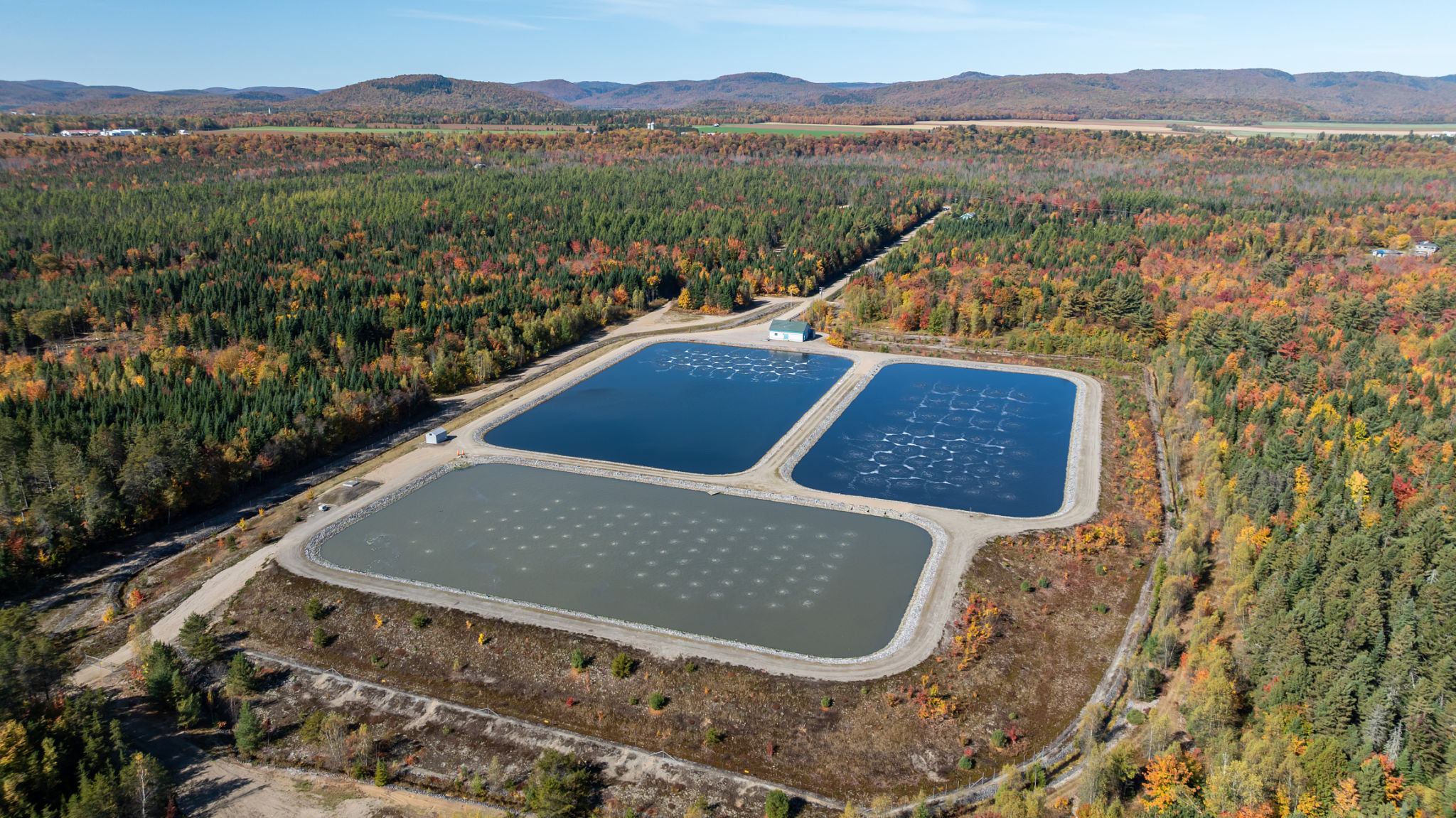
Types of Floating Covers
Floating covers are generally made from materials like high-density polyethylene (HDPE), reinforced polypropylene, or flexible membrane liners. Each material offers distinct advantages based on the environmental conditions and treatment processes involved.
HDPE covers are known for their durability and resistance to chemicals, making them ideal for harsh environments. On the other hand, reinforced polypropylene is more flexible and suited for less demanding applications.

Key Considerations
When selecting a floating cover, consider factors such as climate, chemical exposure, and operational requirements. Climate can influence the type of material, as some covers may perform better in extreme temperatures.
Additionally, consider the ease of installation and maintenance. A cover that is easy to install and requires minimal upkeep can reduce operational costs and downtime.
Environmental Impact
Floating covers can play a crucial role in minimizing the environmental impact of wastewater treatment facilities. By controlling odors and emissions, they contribute to a healthier environment for surrounding communities.
Moreover, reducing evaporation helps conserve water resources, making floating covers an environmentally friendly choice for sustainable operations.

Cost-Benefit Analysis
Conducting a cost-benefit analysis is vital when choosing a floating cover. While initial costs can vary, consider the long-term savings from reduced maintenance, improved efficiency, and environmental compliance.
In some cases, investing in a higher-quality cover may offer better returns by extending the lifespan and reducing the need for replacements.
Consulting with Experts
Consulting with industry experts or suppliers can provide valuable insights into the best options for your specific needs. They can offer guidance on material selection, design considerations, and installation techniques.
Working with experienced professionals ensures that you choose a floating cover that not only meets your current requirements but also adapts to future changes in your operations.