
How Floating Covers Revolutionize Wastewater Treatment in Delaware


Understanding Floating Covers
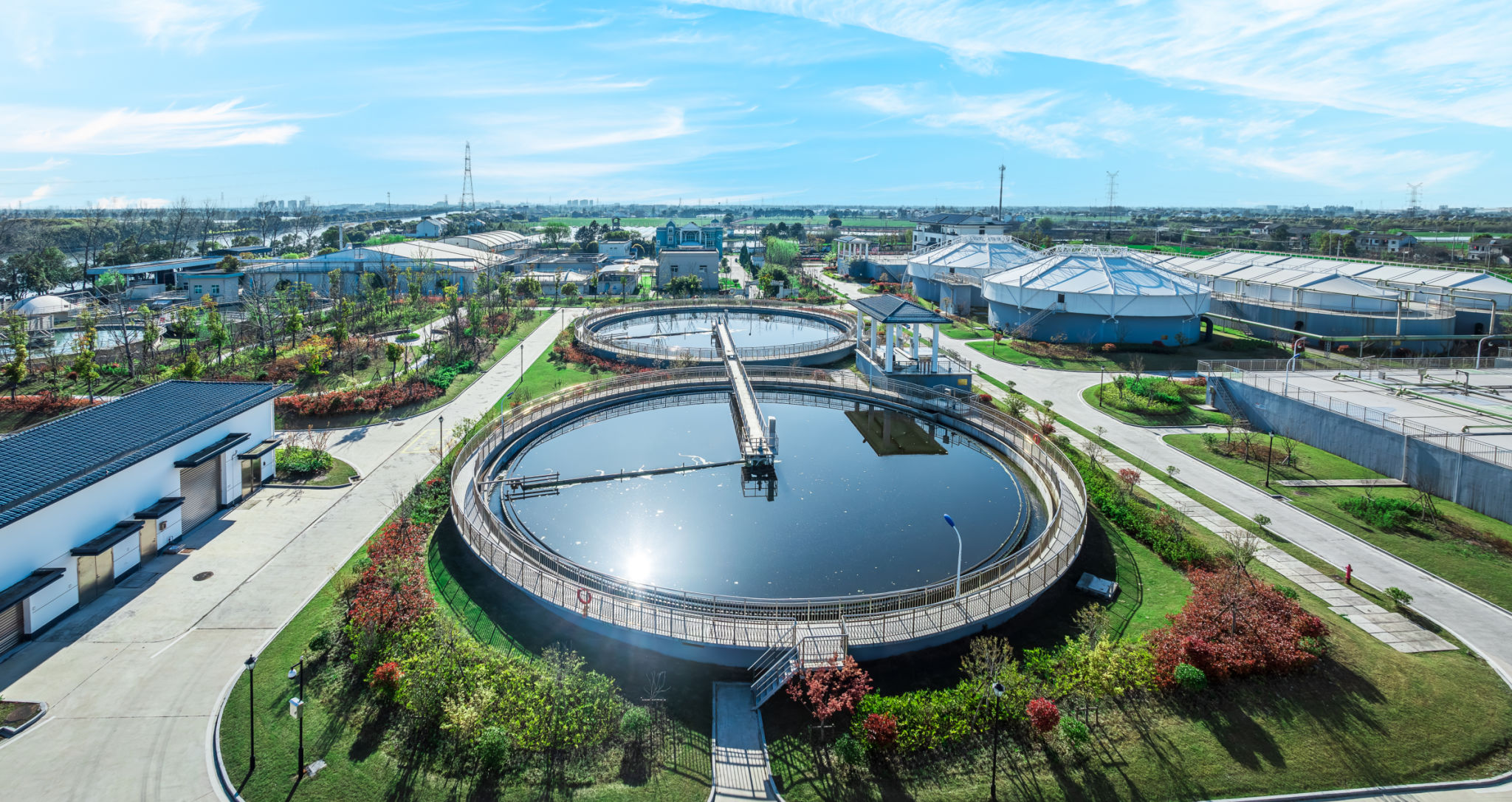
Floating covers have emerged as a transformative solution in wastewater treatment, particularly in Delaware. These innovative covers are designed to float on the surface of wastewater, providing a flexible and efficient barrier. They help in controlling odor, reducing evaporation, and improving overall water quality. By providing a shield against environmental factors, floating covers play a crucial role in enhancing the efficiency of wastewater treatment plants.
One of the standout features of floating covers is their ability to significantly reduce odor emissions. In wastewater treatment facilities, odor control is a persistent challenge. Floating covers act as a physical barrier, trapping unpleasant odors and preventing them from escaping into the environment. This not only improves air quality but also enhances the quality of life for nearby communities.
Benefits of Floating Covers
Floating covers offer numerous benefits that make them a preferred choice for wastewater treatment plants. The most prominent advantage is their ability to minimize evaporation. By reducing the exposure of wastewater to air, these covers help conserve water, an important consideration in areas like Delaware where water resources can be limited.
Additionally, floating covers help in maintaining consistent temperatures within the treatment lagoons. This stability in temperature can enhance the biological processes necessary for effective wastewater treatment. As a result, treatment plants can achieve better efficiency and effectiveness in their operations.

Environmental Impact
The environmental impact of floating covers is profound. By controlling emissions and reducing water loss, these covers contribute to a more sustainable approach to wastewater management. They help in meeting environmental regulations and standards, which are becoming increasingly stringent across the United States.
Moreover, the use of floating covers can lead to significant cost savings. By conserving water and improving treatment efficiency, facilities can reduce their operational costs. This financial benefit is particularly important for municipalities and companies looking to optimize their budgets while maintaining high environmental standards.

Implementation in Delaware
In Delaware, the adoption of floating covers in wastewater treatment facilities has been steadily increasing. The state's commitment to environmental sustainability and innovation makes it a prime location for implementing such advanced technologies. By investing in floating covers, Delaware is setting a precedent for other states to follow.
Several wastewater treatment plants in Delaware have already reported improvements in operational efficiency and environmental compliance thanks to the integration of floating covers. These success stories serve as a testament to the transformative potential of this technology in the realm of wastewater management.
Future Prospects
As technology continues to evolve, the future of floating covers looks promising. Innovations in materials and design are expected to further enhance their effectiveness and durability. This will likely lead to even greater adoption across the wastewater treatment industry.
In conclusion, floating covers are revolutionizing wastewater treatment in Delaware and beyond. By providing a cost-effective, environmentally friendly solution, they are paving the way for a more sustainable future in water management. As more facilities recognize their benefits, the widespread implementation of floating covers is set to become a standard practice in the industry.